
What Is Monsoon Season in Tucson?
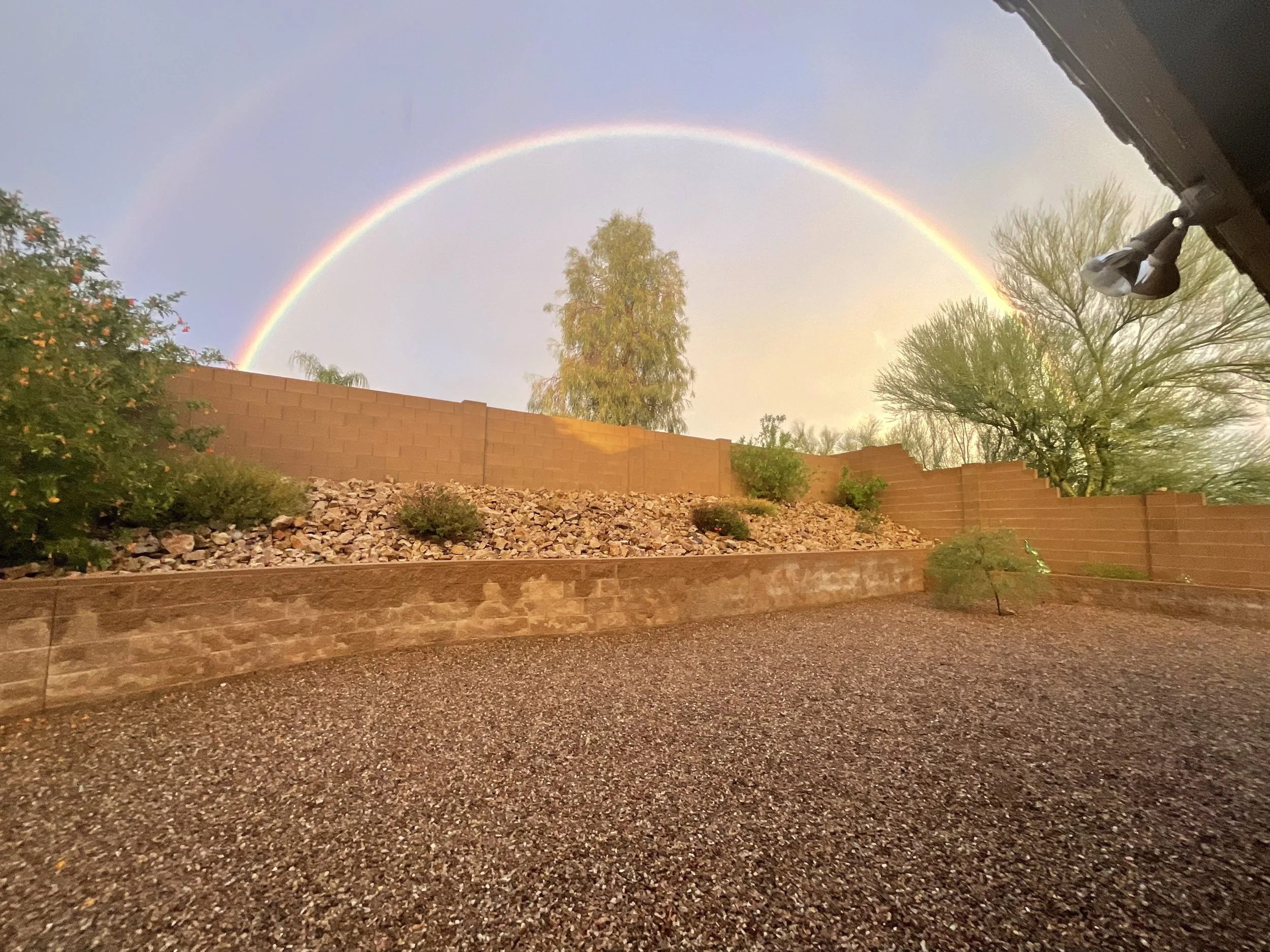
Post-monsoon double rainbow in Tucson
What is monsoon season like in Tucson? Tucson's official monsoon season runs from June 15 through September 30, bringing afternoon and evening thunderstorms, dust storms, lightning, and occasional flash flooding. On average, Tucson receives around 6 inches of rain during the monsoon season, according to the National Weather Service, which accounts for roughly half of the city's total annual rainfall. For homeowners and buyers new to the desert, understanding how monsoon season works helps with preparation, insurance decisions, and long-term home maintenance.
Monsoon season is one of the most distinctive parts of life in Southern Arizona.
After months of dry, intense heat, the weather pattern shifts in mid-June. Moisture flows up from the Gulf of California and the Gulf of Mexico, colliding with Tucson's superheated desert air. The result is a dramatic shift from blue, cloudless skies to fast-moving afternoon storms that can roll in within minutes.
For newcomers, it often comes as a surprise. For longtime residents, it is one of the most anticipated times of the year.
When Does Monsoon Season Start and End in Tucson?
The National Weather Service officially marks Tucson's monsoon season from June 15 through September 30.
Storms are most active in July and August, typically arriving in the afternoon or evening. Mornings are usually clear. By mid-September, activity begins to taper, and by October, the desert typically returns to dry, mild conditions.
What Kind of Weather Does Monsoon Bring?
Monsoon storms in Tucson can be intense, and they do not always arrive with much warning.
Common weather events during monsoon season include:
sudden, heavy thunderstorms that can drop an inch or more of rain in under an hour
haboobs, which are large dust storms that can reduce visibility to near zero
microbursts with wind gusts that can exceed 70 mph in some events
lightning, which is one of the most consistent features of monsoon storms
flash flooding, particularly in washes, low-lying roads, and canyon areas
occasional hail
One of the most important things to understand is that flash floods can travel miles from where rain actually fell. A dry wash can go from empty to rushing in minutes, even when skies appear clear nearby.
How Much Rain Does Tucson Get During Monsoon Season?
On average, Tucson receives around 6 inches of rain during monsoon season, according to the National Weather Service. That represents roughly half of the city's total annual rainfall, meaning monsoon season does a significant portion of the heavy lifting for Southern Arizona's water supply.
Year to year, totals vary considerably. Some seasons bring well above average rainfall, others fall short. The desert's relationship with rain is rarely predictable.
How Does Monsoon Season Affect Daily Life in Tucson?
Most Tucson residents adjust their routines around the season without much disruption.
A few practical habits that locals develop:
planning outdoor activities for mornings rather than afternoons
monitoring weather apps or the National Weather Service Tucson forecast before heading out
avoiding washes and low-water crossings during and after storms
keeping vehicles topped off with fuel during active storm periods
The storms are intense, but they typically move through quickly. An hour that starts with a dramatic sky can end with cooler temperatures, the smell of wet creosote, and a spectacular desert sunset.
What Should Tucson Homeowners Do to Prepare?
For homeowners, monsoon season is worth preparing for before June 15.
Areas that tend to need attention include:
roofs, which can be stressed by heavy rain, high winds, and debris
gutters and downspouts, which need to be clear to handle sudden high-volume rainfall
drainage around the home's foundation to direct water away from the structure
outdoor furniture, shade structures, and potted plants that can become hazards in high winds
A pre-monsoon roof inspection is widely recommended in Tucson, particularly for flat or low-slope roofs that are common in desert home construction.
Does Monsoon Season Affect Home Insurance in Tucson?
This is an important one for buyers and current homeowners to understand.
Standard homeowners’ insurance policies do not cover flood damage. Flood insurance must be purchased separately. The Pima County Regional Flood Control District encourages homeowners, particularly those in or near designated floodplains, to assess their flood risk and consider separate coverage before monsoon season begins.
Buyers can check whether a property sits in a FEMA-designated flood zone, which also affects whether flood insurance may be required as a condition of financing.
If you are evaluating the total cost of owning a home in Tucson, understanding what your insurance does and does not cover is part of the picture. What Does It Actually Cost to Buy a Home in Tucson? breaks down the broader financial side of homeownership here.
Is Monsoon Season a Reason Not to Move to Tucson?
For most people, no.
Monsoon season is a defining feature of life in Southern Arizona, and many residents consider it one of the best parts of the year. Cooler afternoon temperatures, dramatic skies, desert wildflowers, and the smell of rain on dry earth are things people genuinely look forward to.
Knowing what to expect makes a significant difference. Buyers who relocate to Tucson and understand the seasonal patterns tend to settle in more comfortably than those who arrive unprepared.
If you are considering a move here, relocating to Tucson? What Newcomers Should Know Before Moving covers a broader range of what life in the desert actually looks like day-to-day.
Frequently Asked Question: Is Tucson's Monsoon Season Dangerous?
Monsoon weather carries real risks, particularly flash flooding and lightning. Avoiding washes and low-water crossings during storms, hiking in the mornings rather than afternoons, and not driving through flooded roads are standard precautions Tucson residents follow every summer.
The phrase local emergency responders use is: turn around, don't drown. Moving water is more powerful than it appears, and flooded roads account for a significant number of monsoon-related emergencies each year.
Frequently Asked Question: Does Monsoon Season Affect Home Values in Tucson?
Not in a broad sense. Monsoon season is a known and expected feature of Tucson's climate, and it is factored into how homes are built and maintained here. What can affect value over time is deferred maintenance. Homes with drainage issues, aging roofs, or poor grading that allows water to pool near the foundation may carry higher repair costs that buyers will factor into offers.
Frequently Asked Question: When Is the Best Time to View a Home in Tucson Around Monsoon Season?
Viewing homes before monsoon season, particularly April through June, allows buyers to assess drainage, landscaping, and outdoor conditions in dry weather. Viewing after a significant storm can also be informative for spotting any water intrusion, grading issues, or drainage concerns.
There is no bad time to buy in Tucson, but being aware of the season and what to look for during a home visit is useful context for any buyer.
Presented by Kristen Glasheen, REALTOR®, Glasheen Real Estate, Long Realty Company.
CONTACT KRISTEN:
☎️ Call: 520.345.9360
📱 Text: 520.345.9360
📧 Email: kristen@glasheenrealestate.com
Disclaimer: Glasheen Real Estate is not an insurance specialist, contractor, or meteorologist. This content is for general informational purposes only. Homeowners should consult qualified professionals regarding insurance coverage, drainage, and home maintenance decisions.