
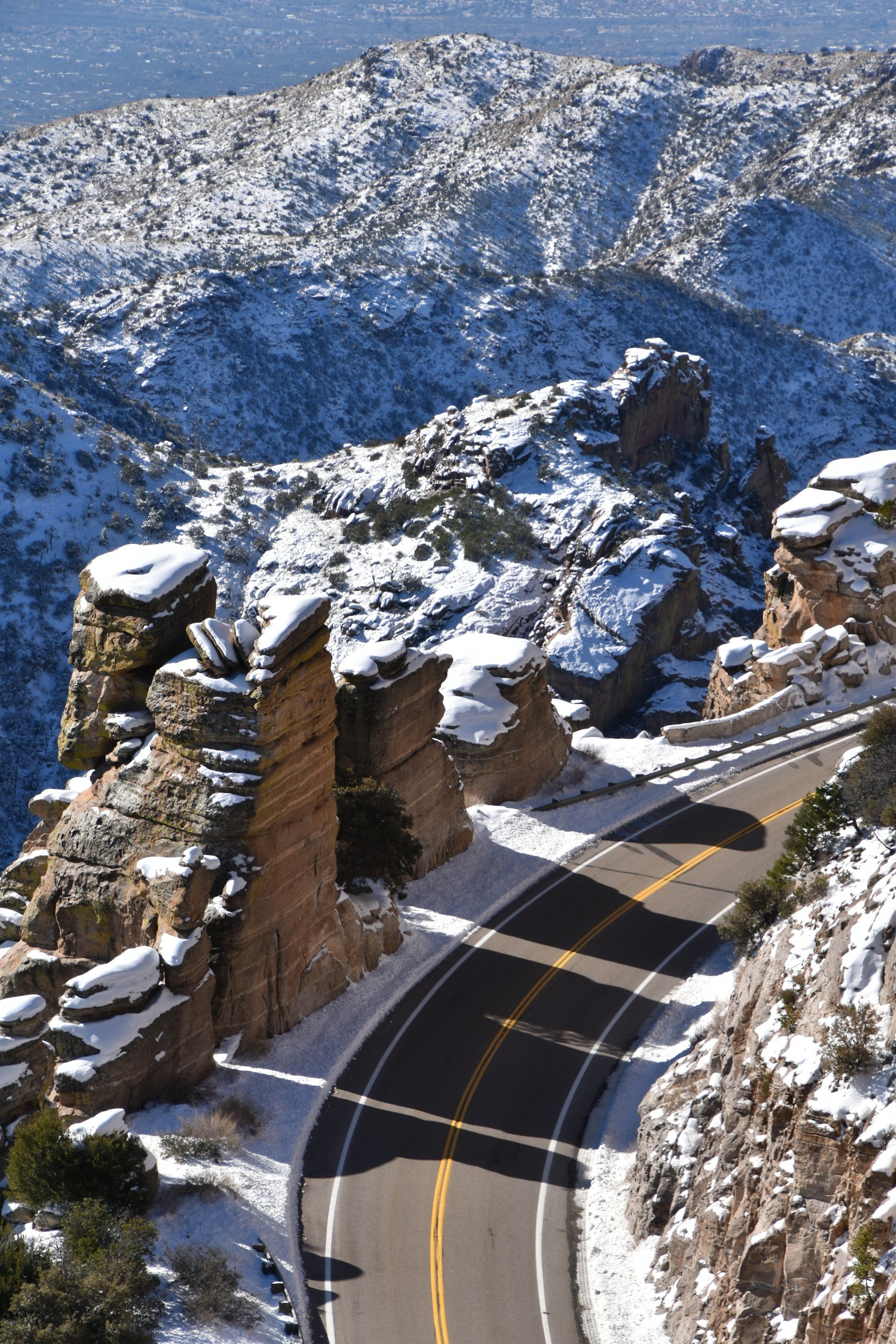
Tucson Winters: What to Expect and Why So Many People Love Them
What is winter like in Tucson, Arizona? Tucson winters are mild and sunny, with daytime highs typically in the upper 60s, cool nights that occasionally dip to freezing, and snow on nearby Mount Lemmon rather than in the city. Winter is also snowbird season, when seasonal residents arrive and the desert is at its most comfortable for outdoor living. Understanding how a Tucson winter feels helps newcomers and second-home seekers decide if the desert fits the way they want to spend the colder months.
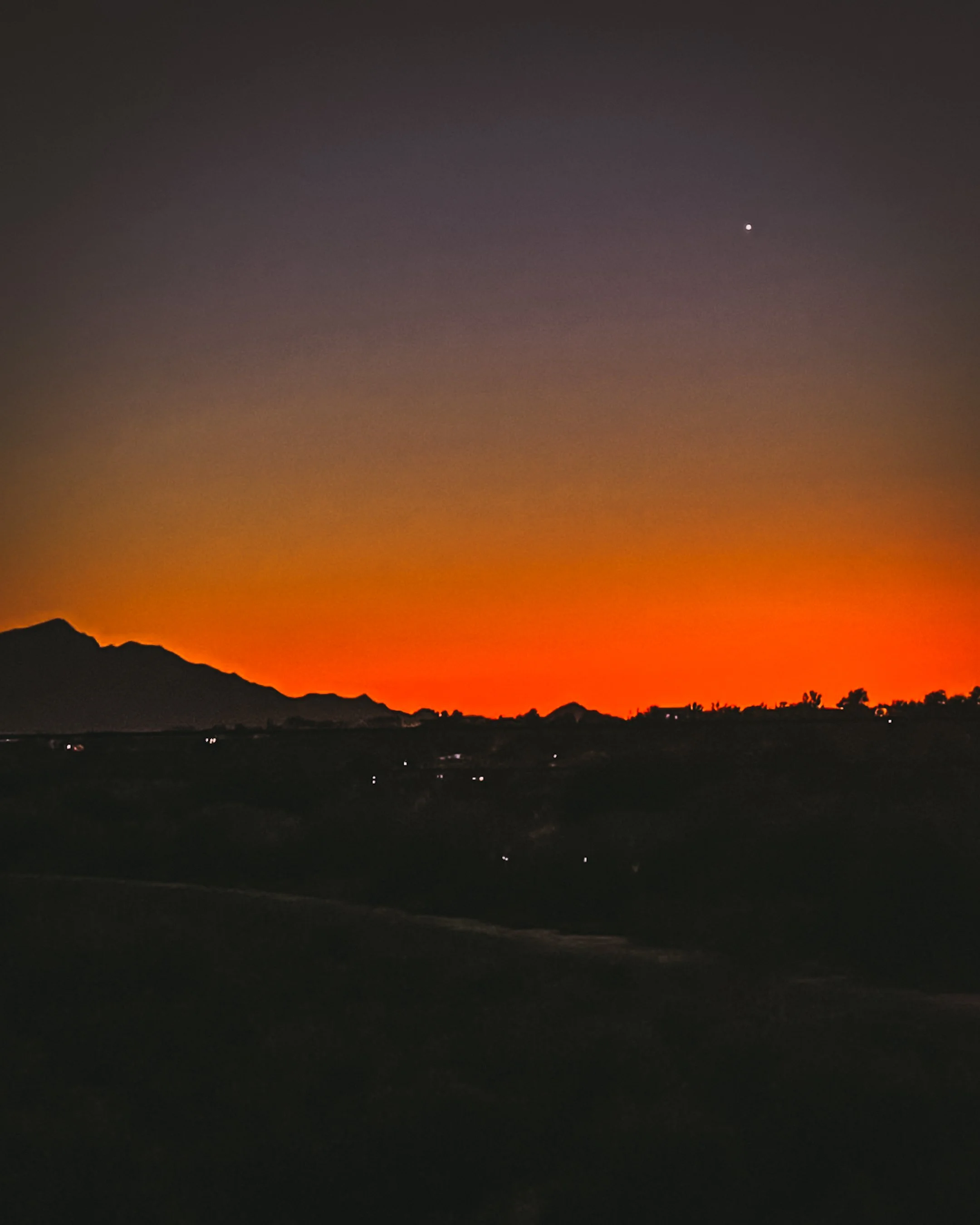
Why Arizona Doesn't Observe Daylight Saving Time (And Why Tucsonans Love It)
Arizona is one of only two states, along with Hawaii, that doesn't observe daylight saving time. Tucson stays on Mountain Standard Time all year, no clock changes, no lost hour of sleep, and no adjusting every device twice a year. With Congress currently debating a bill to make daylight saving time permanent nationwide, Arizona's exemption is getting fresh attention, and it would stay exactly the same either way.
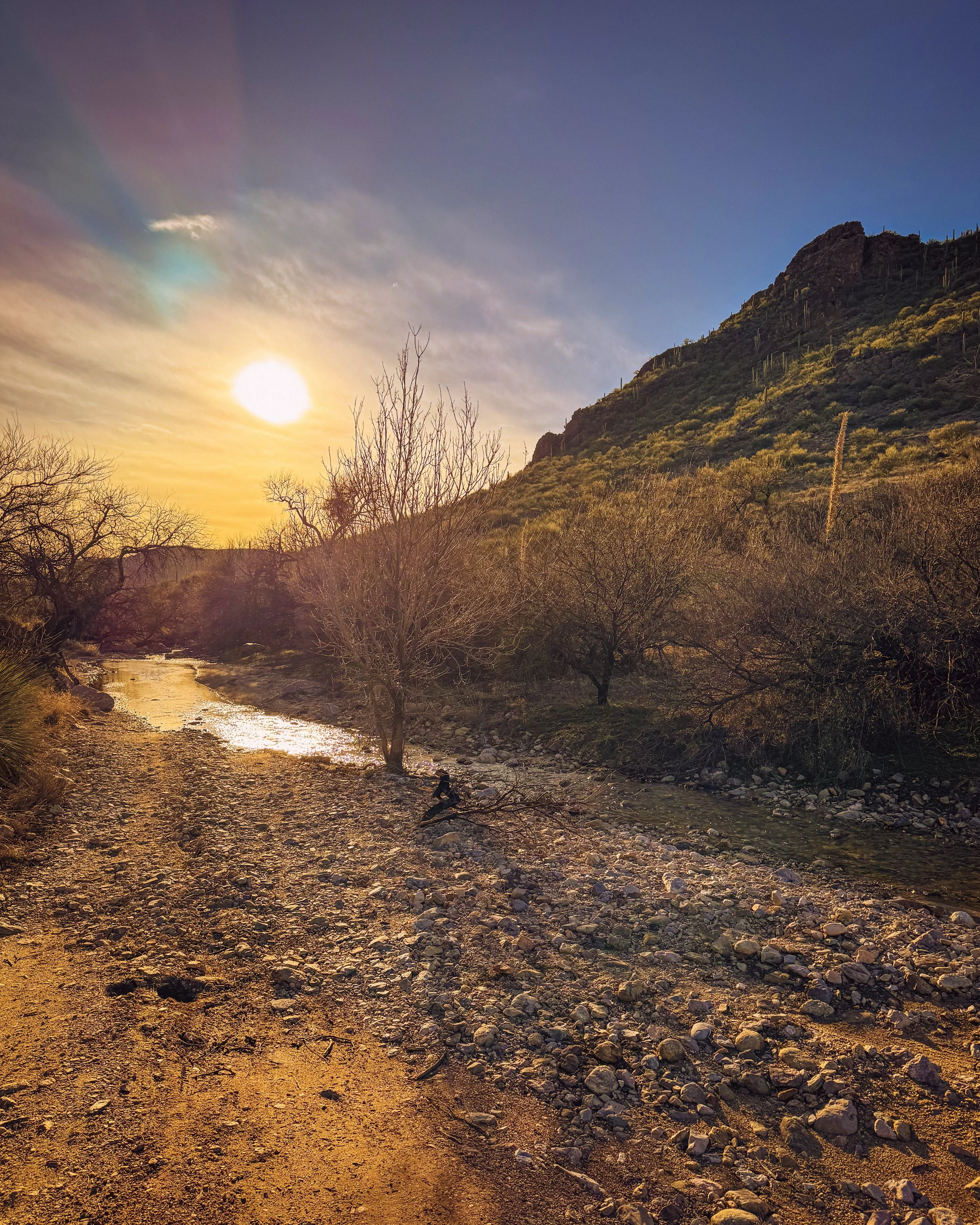
Where Does Tucson's Water Come From? 2026 Guide for Homeowners
Tucson's tap water is a blend of Colorado River water delivered through the Central Arizona Project and local groundwater, and the city holds a state-certified 100-year assured water supply. At the same time, the federal government just finalized new Colorado River operating rules that will cut Arizona's allocation starting in 2027. Here's what Tucson homeowners and buyers actually need to know.

Finding the Right Real Estate Agent in Tucson: Your Questions Answered
Buying your first home, using a VA loan, or getting ready to sell can all come with the same basic question: how do you know you're working with the right agent? Here's what to actually look for, whether you're just starting to search or you're weighing your options for who lists your home.
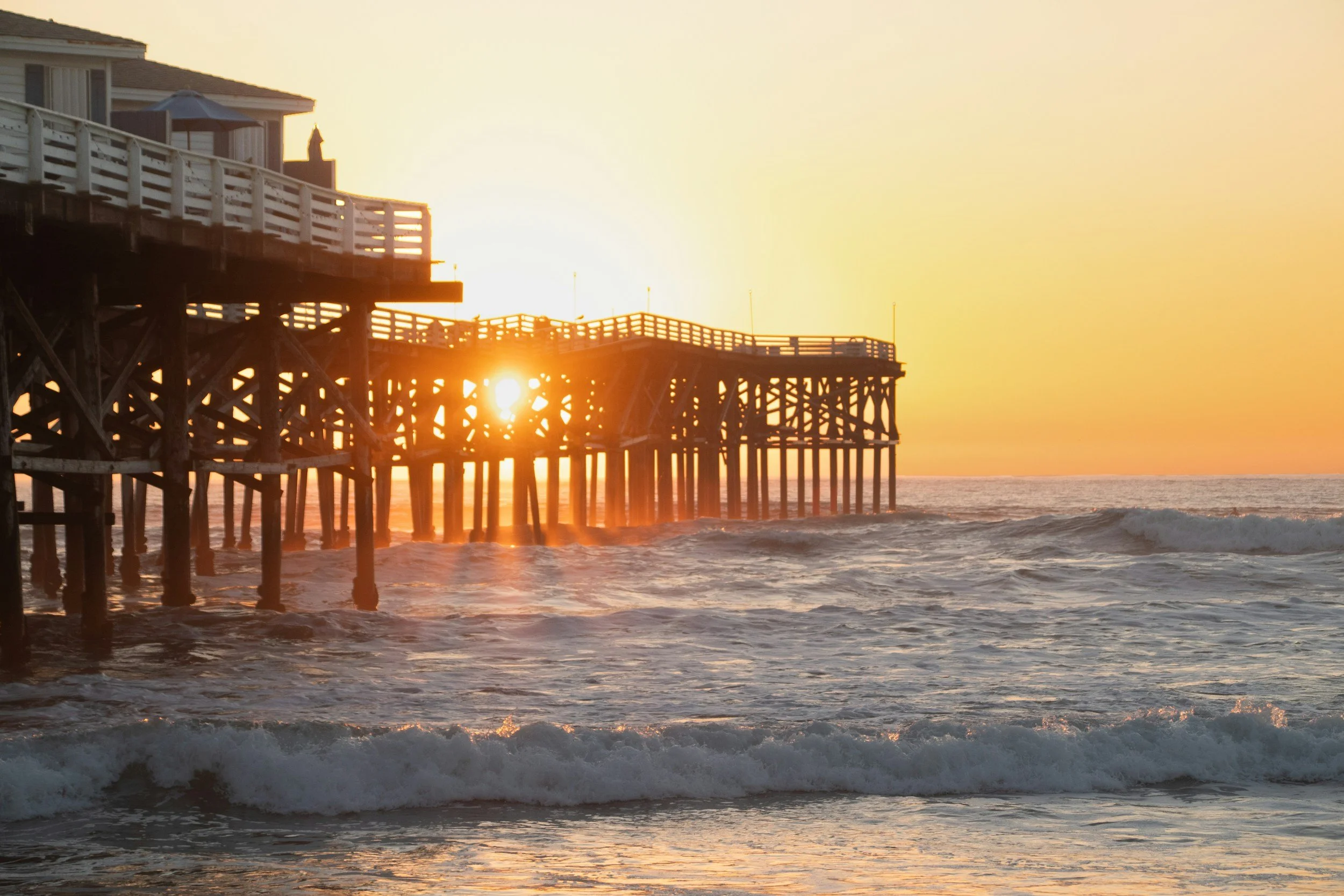
Tucson to San Diego: The Complete Road Trip Guide
Tucson to San Diego is one of the easiest coastal road trips in the Southwest: about 6 to 6.5 hours door to door via I-8 West, no border crossing, no passport, just a straight shot to the Pacific. Here's the full route, the best stops along the way, and where to go once you hit the coast.
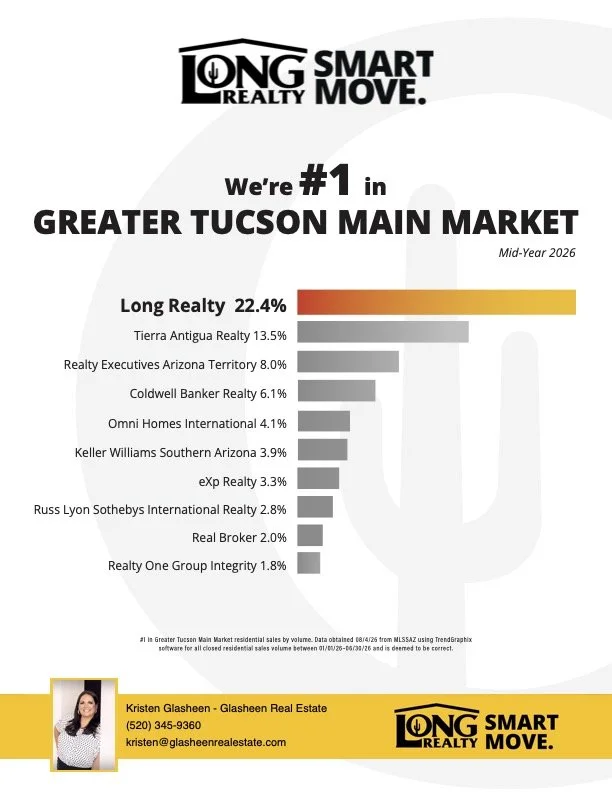
Long Realty Is #1 in the Greater Tucson Main Market: Here's Why That Matters for You | Tucson Real Estate
Which real estate brokerage sells the most homes in Tucson? According to mid-year 2026 MLS data, Long Realty holds the largest share of closed residential sales volume in the Greater Tucson Main Market at 22.4%, more than the next two competitors combined. For buyers and sellers, brokerage market share reflects reach, resources, and negotiating experience: factors that can directly affect how a home sells or how a purchase is negotiated.
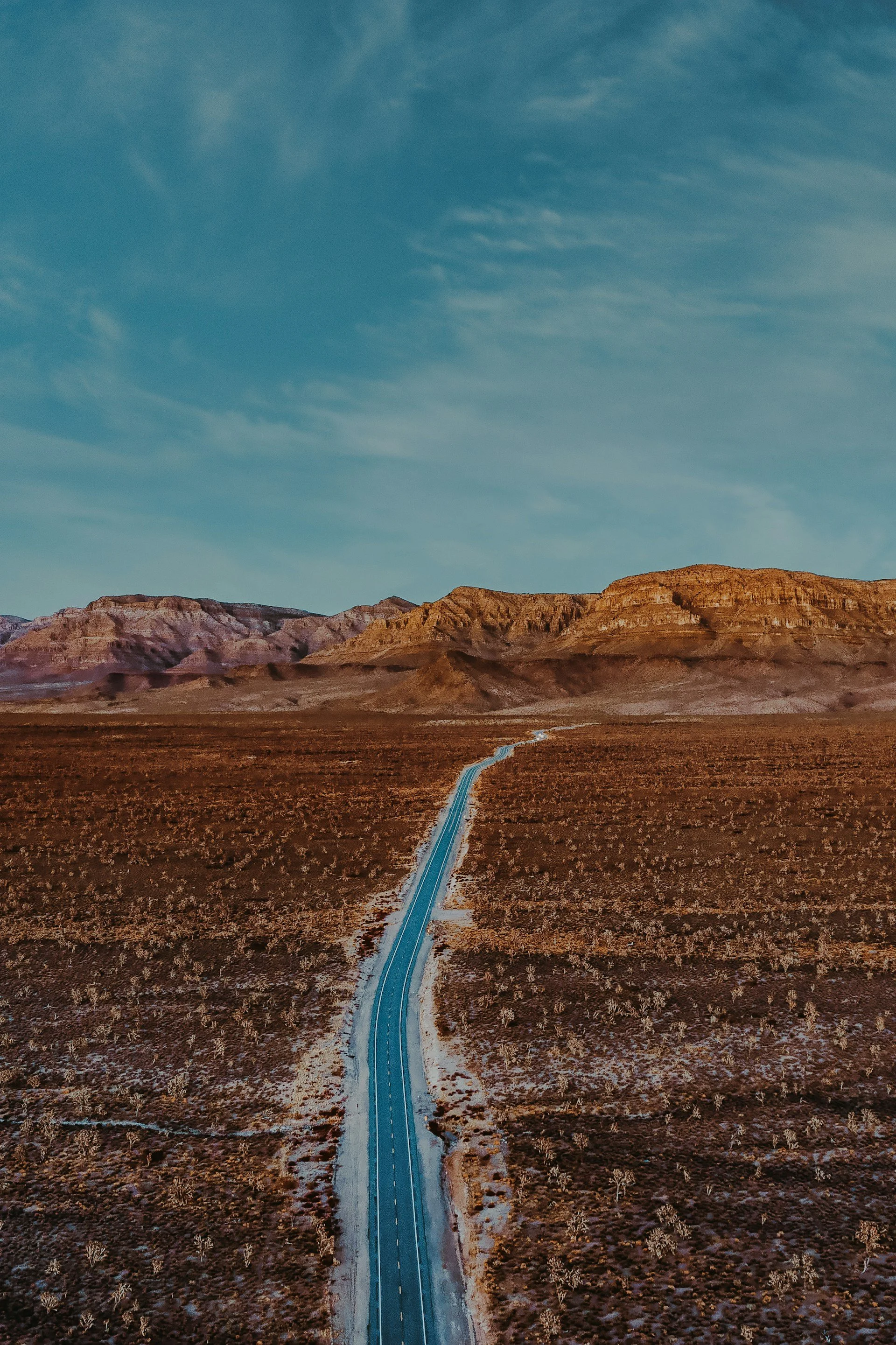
How Far Is Tucson from Las Vegas? Your Road Trip Guide | Tucson Real Estate
How far is Tucson from Las Vegas? The drive from Tucson to Las Vegas covers approximately 410 miles and takes around 7 hours depending on your route and stops. For Tucson residents, Las Vegas is one of the most popular weekend destinations in the region, close enough to drive comfortably and far enough to feel like a real getaway. Knowing the route options, including how to avoid Phoenix traffic entirely, makes the trip significantly more enjoyable.
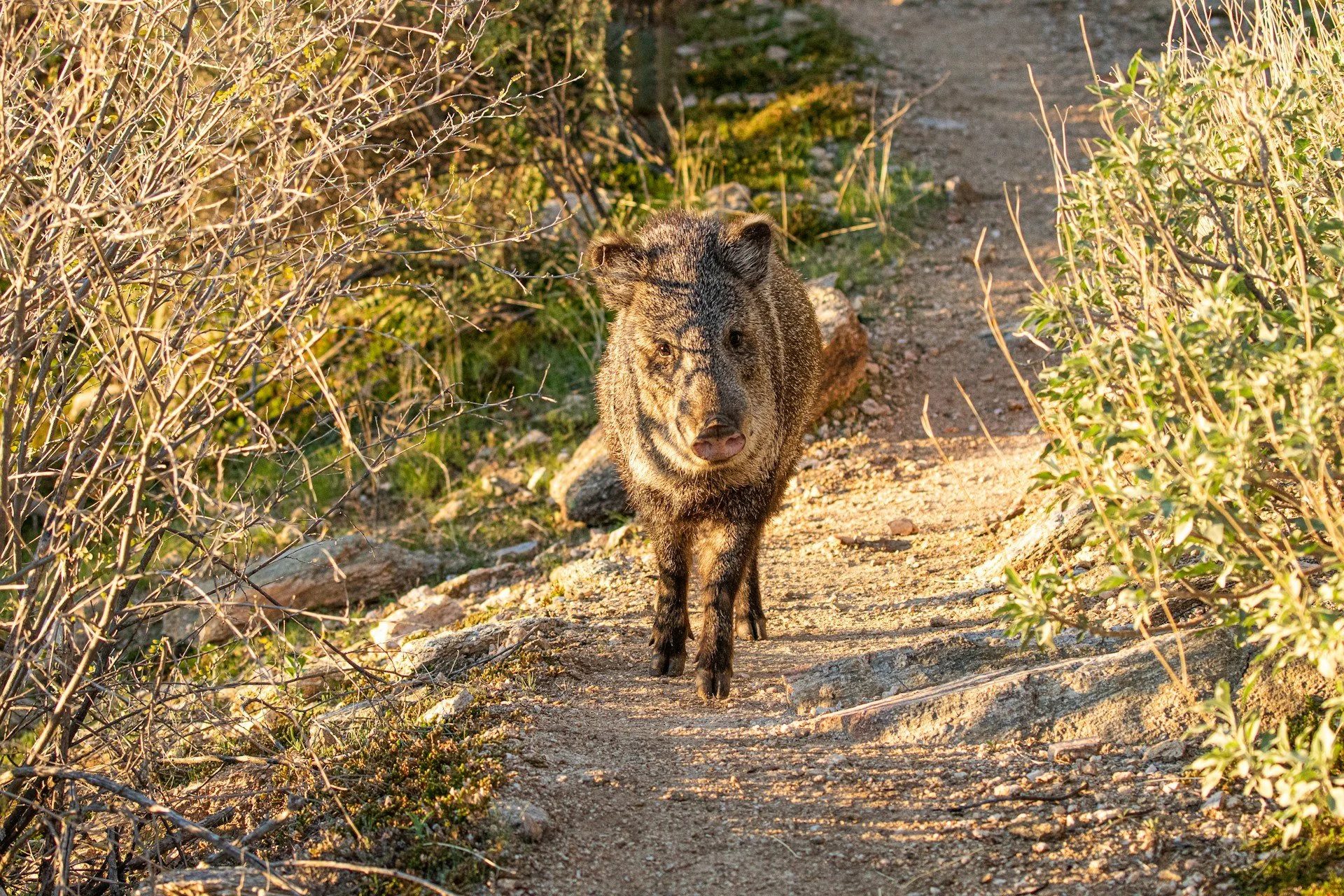
Living with Desert Wildlife: What Tucson Homeowners Should Know | Tucson Real Estate
What wildlife do Tucson homeowners encounter? Tucson's location in the Sonoran Desert means sharing the landscape with javelina, coyotes, rattlesnakes, scorpions, bobcats, and a wide variety of birds and reptiles. Most encounters are uneventful when homeowners understand basic habits and take a few practical precautions. Knowing what to expect makes the transition to desert living much smoother for people relocating from other parts of the country.

Investment Property Basics: What to Know Before Buying a Rental in Tucson | Tucson Real Estate
What should you know before buying an investment property in Tucson? Purchasing a rental home involves different financing rules, higher upfront costs, and ongoing responsibilities that don't apply to a primary residence. Understanding how investment properties work before you start shopping helps you ask better questions, avoid common surprises, and make a more informed decision about whether this kind of purchase is right for your situation.

Is Tucson Pet-Friendly? A Guide for Homebuyers with Dogs and Cats | Tucson Real Estate
Is Tucson a good place to live if you have pets? Tucson offers a wide range of pet-friendly trails, off-leash dog parks, and outdoor spaces, making it a comfortable city for pet owners. That said, the desert environment comes with specific considerations around heat, wildlife, and HOA pet policies that are worth understanding before you buy a home here.
