
Tucson vs. Phoenix: Which Arizona City Is Right for You?
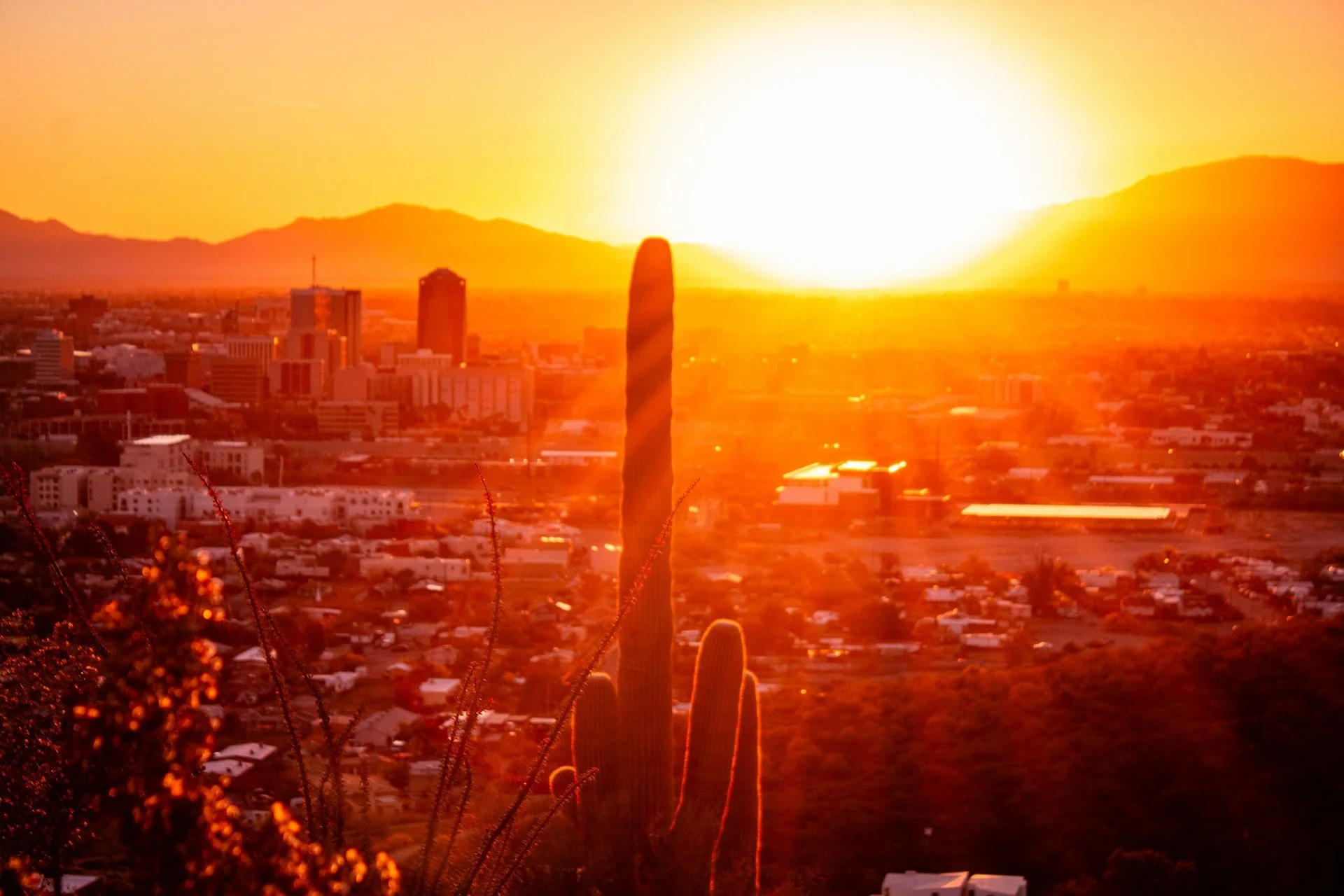
TUCSON. Photo by Daniel Huerta on Unsplash
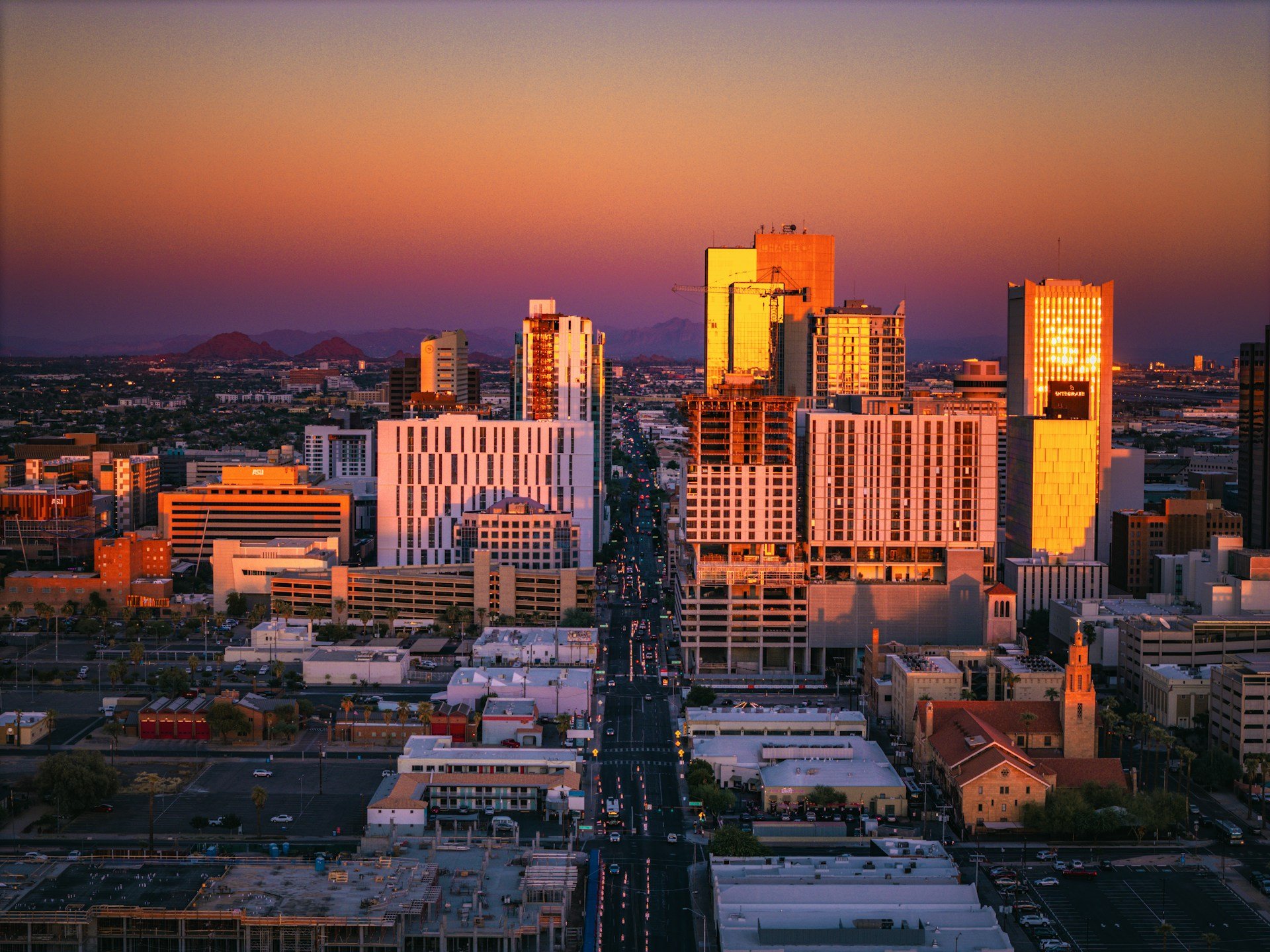
PHOENIX. Photo by Nils Huenerfuerst on Unsplash
Tucson and Phoenix are both desert cities in Arizona, but they offer very different lifestyles. Tucson is smaller, more affordable, and surrounded by mountain ranges, with a slower pace and a deeply rooted local culture. Phoenix is larger, faster-growing, and offers a bigger job market and more urban amenities. For people relocating to Arizona, understanding what sets these two cities apart can make all the difference in finding the right fit.
If you are exploring a move to Arizona, chances are both Tucson and Phoenix have come up. They are the two largest cities in the state, both sit in the Sonoran Desert, and both offer year-round sunshine. But spend a little time in each and the differences become very clear, very quickly.
Here is a straightforward comparison across the things that matter most to homebuyers and people planning a relocation.
Size and Scale
Phoenix is one of the largest cities in the United States, with a population of over 1.6 million in the city proper and a metro area approaching 5 million. It spans more than 500 square miles and encompasses numerous suburbs, each with its own character.
Tucson is a different kind of city entirely. With around 550,000 residents and a metro area of just over 1 million, it is a fraction of Phoenix's scale. Most of the city is accessible within a 30-minute drive, and it tends to feel like a single, interconnected community rather than a sprawling collection of suburbs.
If you want big-city energy, Phoenix delivers it. If you prefer a city that feels manageable and navigable from day one, Tucson is the better fit.
Cost of Living and Housing
This is where Tucson stands out most clearly.
According to Redfin, housing in Tucson costs about 15 percent less than in Phoenix. Median home values in Tucson run around $325,000 to $360,000, while Phoenix hovers closer to $407,000 to $450,000, depending on the source and time of measurement. Transportation costs in Tucson are also roughly 14 percent lower, according to Redfin, driven by shorter distances and lighter traffic.
For buyers relocating from high-cost states like California, both cities offer significant value. But within Arizona, Tucson consistently comes in as the more affordable option across housing, utilities, and daily expenses.
Weather
Both cities are hot in the summer. That part is not negotiable.
The difference is elevation. Tucson sits at around 2,400 feet above sea level, compared to Phoenix's roughly 1,100 feet. That gap translates to temperatures that typically run 5 to 10 degrees cooler in Tucson, according to multiple sources including the National Weather Service. In 2025, Phoenix recorded around 122 days at or above 100 degrees through early October, while Tucson logged around 78 days at that threshold over the same period, according to ExtremeWeatherWatch data.
Tucson also receives more monsoon rainfall and has more dramatic summer storms, which many residents consider one of the best parts of living here. The storms roll in fast, the lightning is spectacular, and the desert smells incredible afterward.
Winters in both cities are mild, though Tucson occasionally sees light freezes that are rare in central Phoenix.
Traffic and Getting Around
Tucson is significantly easier to navigate day to day.
Phoenix has a vast freeway network, but its sheer size means longer commutes and heavier congestion, particularly on I-10, the Loop 101, and I-17. Tucson has fewer freeways, but its compact footprint means most destinations are within a manageable distance. Average commute times in both cities are similar, just over 24 minutes in Tucson and just under 26 minutes in Phoenix, according to 2023 data, but the experience of driving in Tucson is generally considered less stressful.
Outdoor Access
Tucson is surrounded by five mountain ranges: the Santa Catalinas, the Rincons, the Tucson Mountains, the Santa Ritas, and the Tortolitas. Saguaro National Park sits on both the east and west sides of the city. Mount Lemmon, at 9,157 feet, is about an hour's drive and gets snow in the winter.
Phoenix has hiking, including Camelback Mountain and South Mountain Park, but the peaks are lower and the landscape is less varied. For access to cool temperatures, most Phoenix residents have to drive more than an hour to reach Sedona or Flagstaff.
If outdoor recreation is central to your lifestyle, Tucson offers more of it within a shorter distance.
Job Market
This is Phoenix's strongest card.
Phoenix has a larger and more diversified economy, with major employers across finance, technology, healthcare, and manufacturing. The metro area has attracted significant corporate investment and relocation in recent years, and salaries are generally higher.
Tucson's economy is anchored by the University of Arizona, Raytheon Missiles and Defense, and Davis-Monthan Air Force Base, with a growing healthcare and tech sector. The job market is smaller, but it is well-suited to people already working in those industries or working remotely.
Culture and Lifestyle
Tucson was designated the first UNESCO Creative City of Gastronomy in the United States, a recognition of its deep food culture rooted in Sonoran and Native American traditions. The restaurant scene here is not about chains or trends. It is about place.
The arts, music, and community events scene in Tucson is active and locally driven. Phoenix has more volume, including major concerts, professional sports across all four major leagues, and a broader range of entertainment options.
The vibe is different in a way that is hard to quantify but easy to feel. Many people describe Tucson as more authentic and rooted, while Phoenix feels more contemporary and fast-paced. Neither is a criticism. It is just a question of what resonates with you.
Which City Is Right for You?
Phoenix makes sense if your decision is driven by career growth, you want the full range of a major metro, and you are comfortable with the higher cost of living that comes with it.
Tucson makes sense if you want more affordability, easier access to nature, a slower and more connected community feel, and a city with genuine character that does not feel like it was built last Tuesday.
For buyers relocating from out of state, Tucson continues to be one of the most underrated options in the Southwest. The lifestyle here is real, and the value is hard to beat.
FAQ
Is Tucson cheaper than Phoenix?
Yes. Housing in Tucson costs roughly 15 percent less than in Phoenix, according to Redfin, and transportation costs are also lower. The overall cost of living in Tucson runs about 4 percent below Phoenix across major expense categories.
Is Tucson hotter than Phoenix?
No. Tucson is typically 5 to 10 degrees cooler than Phoenix, largely due to its higher elevation of around 2,400 feet compared to Phoenix's roughly 1,100 feet. Phoenix also experiences more days above 100 degrees annually.
How far is Tucson from Phoenix?
Tucson is about 110 miles southeast of Phoenix, roughly a 1 hour and 45 minute drive via I-10.
Does Tucson have better hiking than Phoenix?
Tucson is surrounded by five mountain ranges and has Saguaro National Park on both sides of the city. Most residents rate it as having more accessible and varied outdoor recreation than Phoenix.
Is Tucson good for retirees?
Tucson is one of the most popular retirement destinations in Arizona. Lower housing costs, mild winters, easy access to outdoor activities, and a strong healthcare network centered around the University of Arizona make it a natural fit for retirees and snowbirds.
Presented by Kristen Glasheen, REALTOR®, Glasheen Real Estate, Long Realty Company.
Contact Kristen:
☎️ Call: 520.345.9360
📱 Text: 520.345.9360
📧 Email: Kristen@GlasheenRealEstate.com
🏠 Search Homes
Serving sellers and buyers across Tucson, Oro Valley, Marana, Sahuarita, Vail, and Southern Arizona.
Disclaimer: This content is for informational purposes only. Real estate values and cost of living figures change over time. For current market data and guidance specific to your situation, please consult a licensed real estate professional.