
Tucson Monsoon Season: What New Residents Need to Know
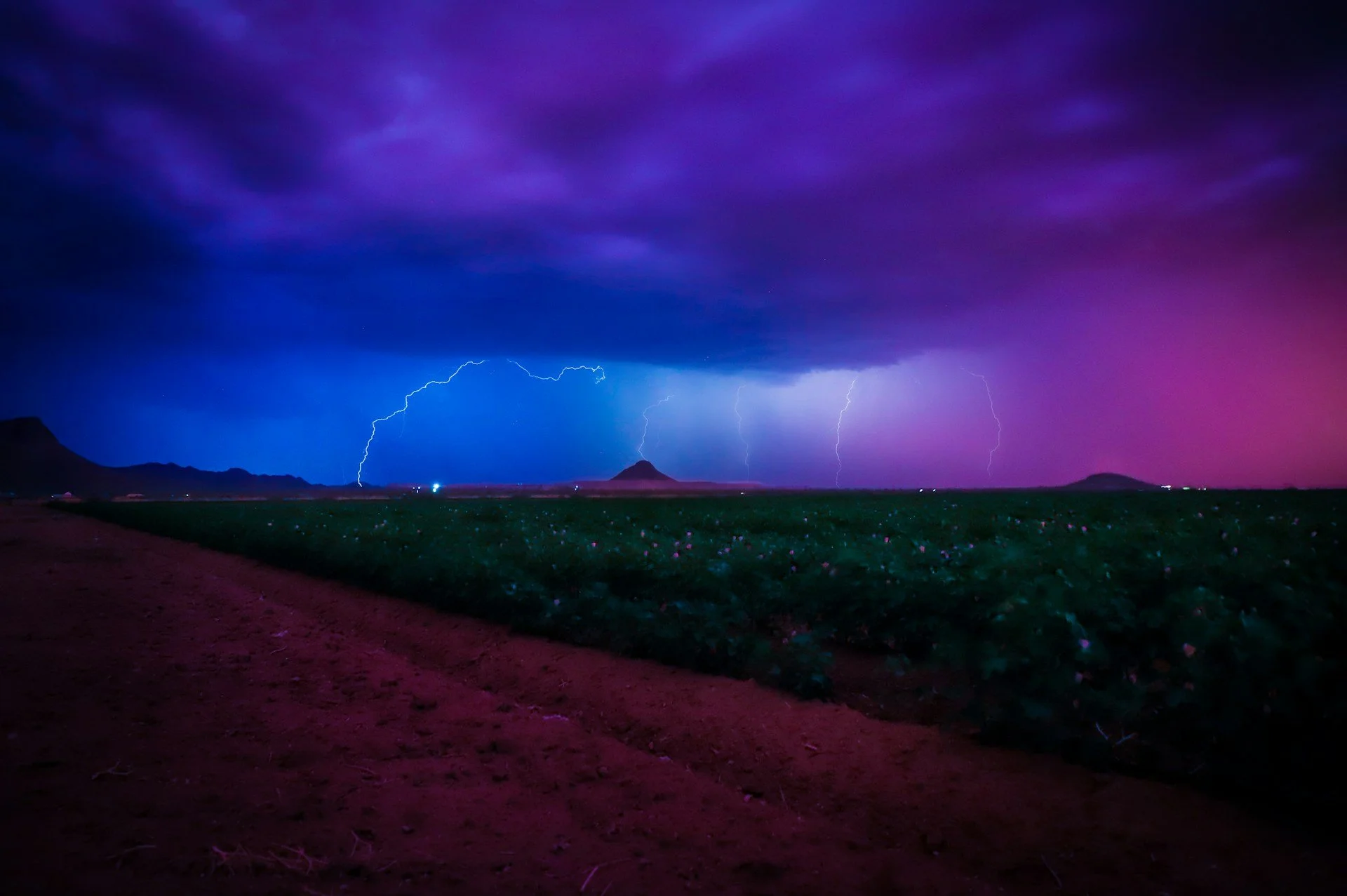
Photo by Frankie Lopez on Unsplash
Tucson's monsoon season officially runs from June 15 through September 30. It brings dramatic afternoon and evening thunderstorms, lightning, dust storms, flash flooding, and some of the most spectacular skies in the country. Average seasonal rainfall is around 5.69 inches, according to the National Weather Service, with the most intense activity typically arriving in mid-July and running through mid-September. For people relocating to Southern Arizona, understanding monsoon season is part of understanding life here.
If you are new to Tucson or thinking about moving here, monsoon season is one of the first things people ask about. And it deserves a real answer, not just a reassuring one.
Here is what it actually looks and feels like to live through a Tucson summer.
When Does Monsoon Season Start and End?
The official monsoon season in Tucson runs from June 15 through September 30, as designated by the National Weather Service. In practice, the quieter early weeks of the season mean most people think of July 4 as the point when things really get going.
The most intense and consistent storm activity typically arrives in mid-July and runs through mid-September. By early October, the storms have usually wound down, and the desert shifts into its long, dry fall stretch.
What Does a Monsoon Storm Actually Look Like?
Nothing in Tucson quite prepares newcomers for their first real monsoon storm.
The pattern is usually the same. Mornings start clear and hot. Through the afternoon, clouds begin building over the mountain ranges surrounding the city. By late afternoon or evening, storms can develop quickly and move fast.
A typical monsoon storm can bring:
Sudden temperature drops, sometimes 20 to 30 degrees within minutes
Intense, short-duration rainfall that can dump a significant amount of water in under an hour
Frequent cloud-to-ground lightning across wide areas of sky
Gusty winds and occasional microbursts
Haboobs, which are fast-moving walls of dust that can reduce visibility to near zero in minutes
The smell of the desert after rain, called petrichor and intensified here by the creosote bushes, is something people describe as one of the best things about living in Tucson. Once you experience a monsoon sunset over the Santa Catalinas, you will understand why locals look forward to this season.
Flash Flooding: The Most Important Thing to Know
Flash flooding is the most serious hazard monsoon season brings, and it catches newcomers off guard more than anything else.
Desert soil does not absorb water quickly. Heavy rain can produce flooding almost instantly, and floodwaters move faster and with more force than most people expect. Just a foot or two of moving water is enough to sweep a vehicle off the road entirely.
The key rules, sourced from the Pima County Sheriff's Department and the National Weather Service:
Never drive through a flooded road or wash, even if it looks shallow
Turn around, don't drown is the official guidance, and it is not an exaggeration
Flooding can be caused by rainfall miles away, so clear skies overhead are not a guarantee of safety
If you hike during monsoon season, plan to be back before early afternoon, before storms can develop
Arizona's "Stupid Motorist Law" allows emergency responders to bill drivers who require rescue after driving around flood barriers. It is worth knowing.
Dust Storms and Lightning
Haboobs, the wall-of-dust storms that precede some monsoon systems, can arrive with little warning and drop visibility to near zero. According to ADOT and the Arizona Department of Public Safety, if you are driving and encounter a haboob, pull safely off the road as far as possible, then turn off your lights completely. This is counterintuitive but important: in near-zero visibility, other drivers may follow your lights assuming you are moving traffic. Leaving them on can cause someone to follow you right into a parked position. Set the parking brake, take your foot off the brake pedal so your tail lights are dark, and wait until visibility returns before pulling back onto the road.
Lightning is another hazard that newcomers tend to underestimate. Arizona sees some of the most active lightning storms in the country during monsoon season, and strikes can occur up to 60 miles from where rain is falling. If you can see a storm building on the horizon, that is your cue to move indoors.
What to Do Before Monsoon Season Starts
A little preparation goes a long way:
Check your homeowner's insurance and understand what is and is not covered for flood damage
Know whether your home or neighborhood is in or near a wash or drainage area
Download a reliable weather app and turn on severe weather alerts
Pima County opens free sandbag distribution stations each year before monsoon season begins, typically in mid-June
Trim any dead or overhanging tree branches that could become wind hazards
Why Most Tucsonans Actually Love Monsoon Season
After months of relentless heat and dry, cloudless skies, the arrival of monsoon season feels like a reward.
The storms are dramatic and beautiful. The desert blooms in ways it does not at any other time of year. Temperatures drop noticeably. Evenings become more comfortable. And watching a lightning storm roll across the valley from a covered patio is genuinely one of the great experiences of life in Southern Arizona.
New residents who approach monsoon season with respect and preparation almost always come to love it. Those who do not take the flooding and lightning seriously are the ones who run into trouble.
Frequently Asked Questions
When is Tucson's monsoon season?
Officially June 15 through September 30, per the National Weather Service. Peak activity typically runs from mid-July through mid-September.
How much rain does Tucson get during monsoon season?
The National Weather Service puts Tucson's average monsoon season rainfall at 5.69 inches, though it varies significantly year to year.
Is monsoon season dangerous in Tucson?
The main hazards are flash flooding, lightning, and dust storms. All three are manageable with awareness and preparation. The most common accidents involve driving through flooded roads, which should always be avoided.
Does monsoon season cool Tucson down?
Yes, noticeably. Afternoon storms bring significant temperature drops, and the increased cloud cover and humidity shift the overall feel of the season. Mornings remain hot, but evenings become much more comfortable once monsoon activity picks up.
Should monsoon season affect my decision to buy a home in Tucson?
It is worth understanding your property's relationship to washes and drainage areas before you buy. A knowledgeable local agent can walk you through what to look for and what questions to ask.
Presented by Kristen Glasheen, REALTOR®
Glasheen Real Estate, Long Realty Company
☎️ Call: 520.345.9360
📱 Text: 520.345.9360
📧 Email: kristen@glasheenrealestate.com
Disclaimer: Safety information in this post is sourced from the National Weather Service and Pima County Sheriff's Department. For the most current guidance, visit weather.gov or pima.gov. This post is for informational purposes only and is not a substitute for official emergency guidance.