
Why Arizona Doesn't Observe Daylight Saving Time (And Why Tucsonans Love It)
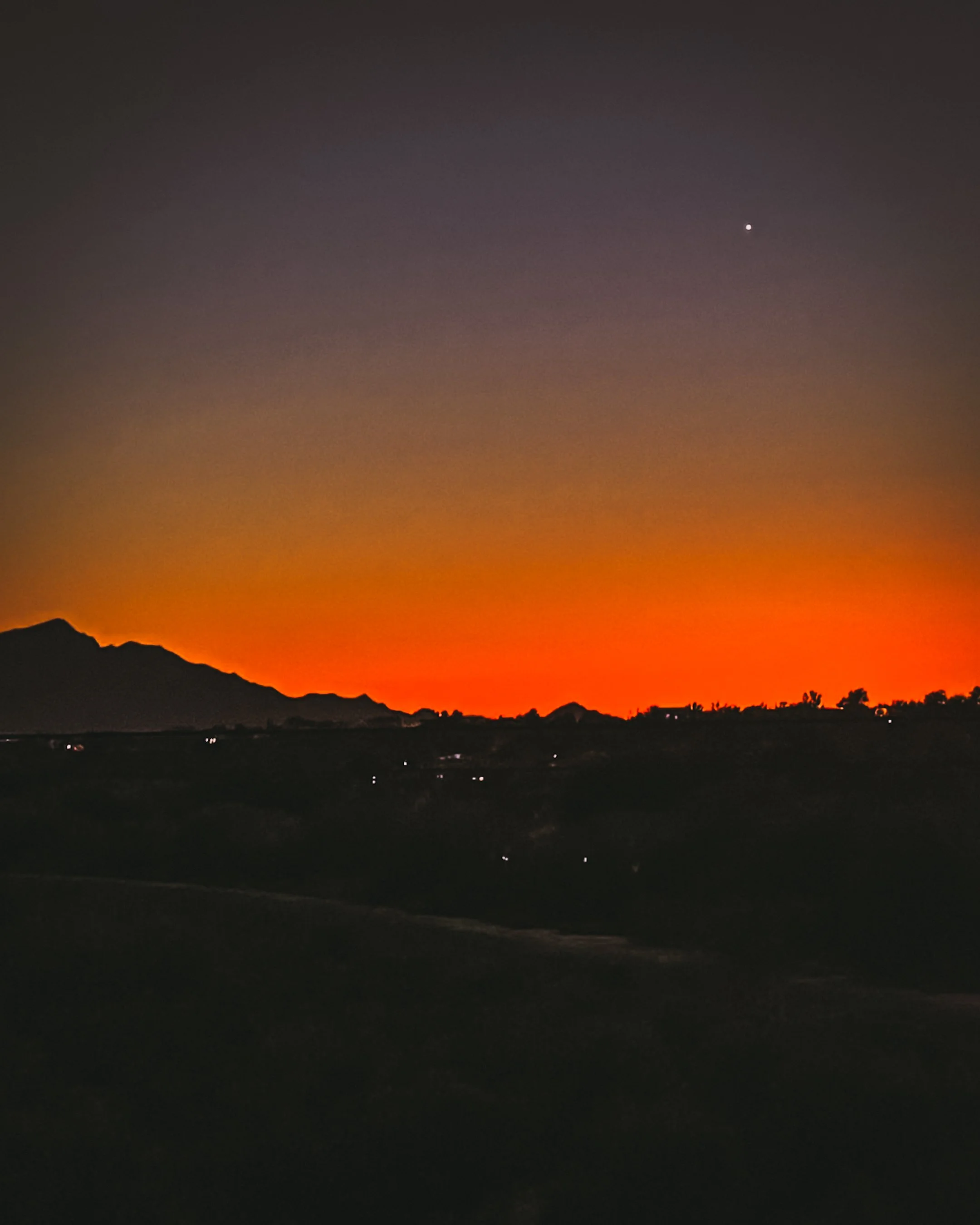
Sunset over NorthWest Tucson
Arizona is one of only two states, along with Hawaii, that doesn't observe daylight saving time. Tucson stays on Mountain Standard Time all year, no clock changes, no lost hour of sleep, and no adjusting every device twice a year. With Congress currently debating a bill to make daylight saving time permanent nationwide, Arizona's exemption is getting fresh attention, and it would stay exactly the same either way.
If you're new to Tucson or thinking about moving here, this is one of those local quirks nobody explains until you've already missed a call because you assumed the wrong time zone. Arizona doesn't spring forward or fall back. Ever. Here's why, and what it actually means day to day.
Why It's Great: No clock changes means no lost hour of sleep every March, no fumbling to reset every appliance, car, and thermostat in the house, and no groggy Monday after the switch. Tucsonans genuinely get to feel a little smug about it twice a year.
Why Arizona Opted Out
Daylight saving time became federal law under the Uniform Time Act of 1966, but the law included an opt-out clause. Arizona actually tried it first. The state observed daylight saving time in 1967, and it did not go over well.
The problem was heat, not habit. Daylight saving time shifts an hour of daylight into the evening, which is a nice trade in most of the country. In Tucson, it meant pushing sunset even later into the hottest part of the day, which increased air conditioning use rather than reducing it, the opposite of what the law intended. The Arizona legislature passed a permanent exemption in 1968, and the state has stayed on Mountain Standard Time year-round ever since.
Pro Tip: Because Arizona skips the switch, the state's time relationship to its neighbors flips twice a year. From spring to fall, Tucson matches Pacific Time, the same clock as Los Angeles and Las Vegas. From fall to spring, Tucson matches Mountain Time, the same clock as Denver and Albuquerque. If you're scheduling calls or travel across state lines, that's the detail to keep in mind.
The Navajo Nation Exception
Arizona's no-DST rule has one real exception. The Navajo Nation, which stretches across northeastern Arizona into Utah and New Mexico, does observe daylight saving time, so its clocks stay aligned with the rest of the reservation across all three states. The Hopi Reservation, which sits entirely inside Navajo Nation land, does not observe it, which means a single drive across parts of northeastern Arizona can technically cross time zones more than once. It's a strange bit of trivia, but a real one.
What's Happening in Congress Right Now
In July 2026, the U.S. House passed the Sunshine Protection Act, a bill that would make daylight saving time permanent nationwide instead of switching twice a year. It's currently pending in the Senate and has not become law.
Here's the part that matters if you live in Tucson: even if this bill eventually passes, Arizona's existing exemption is expected to hold. States that already observe permanent standard time, like Arizona and Hawaii, would keep that status. In other words, Tucson's clocks are staying put no matter how this plays out in Washington.
What This Actually Means If You Live Here
Beyond the trivia, this has a few genuinely practical effects. Summer evenings feel like they arrive earlier relative to the clock than they would elsewhere, which locals build their routines around, morning hikes, early dinner reservations, evening walks once the heat breaks. And if you're relocating from a state that does observe daylight saving time, it's worth building into your calendar habits, especially scheduling closings, showings, or calls with anyone outside Arizona during the months when the rest of the country shifts and Tucson doesn't.
Thinking About Making Tucson Home Base?
Little things like this are part of what makes living in Tucson feel different from other places, in a good way. No clock changes is a small thing until you've lived without them for a year, and then it's hard to imagine going back. If you're researching a move to Tucson and want someone who can walk you through both the lifestyle quirks and the real estate side, Kristen Glasheen is a Tucson REALTOR® who knows this market and this city inside and out.
KRISTEN GLASHEEN | GLASHEEN REAL ESTATE | LONG REALTY COMPANY
☎️ Call: 520.345.9360
📱 Text: 520.345.9360
📧 Email: Kristen@GlasheenRealEstate.com
🏠 Search Homes
Serving buyers and sellers across Tucson, Oro Valley, Marana, Vail, and Southern Arizona.
Frequently Asked Questions
Why doesn't Arizona observe daylight saving time?
Arizona opted out in 1968 after a brief trial in 1967. Extending daylight into the evening increased air conditioning use during the hottest part of the day rather than saving energy, so the state passed a permanent exemption.
Does all of Arizona skip daylight saving time?
Almost all of it. The Navajo Nation is the exception and does observe daylight saving time, while the Hopi Reservation, which sits within Navajo Nation land, does not.
Is Arizona's time zone the same as California's or Colorado's?
It depends on the season. From spring to fall, Arizona matches Pacific Time. From fall to spring, it matches Mountain Time.
Will Arizona be affected if Congress makes daylight saving time permanent nationwide?
As of now, no. The Sunshine Protection Act has passed the House and is pending in the Senate, but states that already observe permanent standard time, including Arizona, are expected to keep that status if the bill becomes law.
Disclaimer: This content is for general informational purposes only. Legislative status regarding daylight saving time is subject to change. For current information, consult official government sources.