
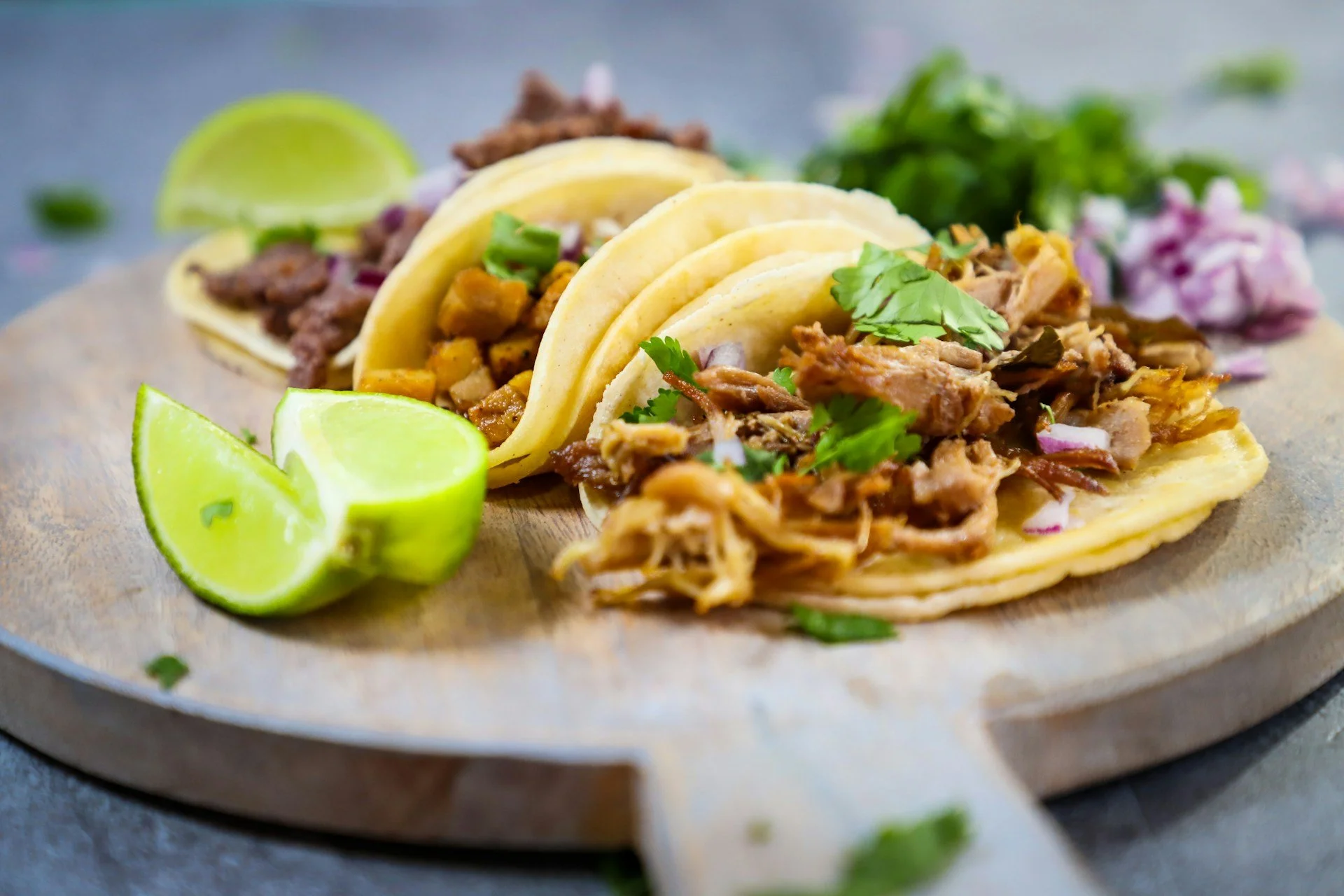
Photo by Frankie Lopez on Unsplash
Why is Tucson a UNESCO City of Gastronomy? In 2015, Tucson became the first city in the United States to receive the UNESCO Creative City of Gastronomy designation. The recognition reflects Tucson's deep food culture, which draws from thousands of years of Indigenous agriculture, Spanish colonial history, and Mexican culinary tradition. The designation highlights Tucson's role as a living food ecosystem, with heritage crops, local farms, independent restaurants, and a community deeply connected to how food is grown and shared.
Most people do not expect to find one of the most celebrated food cities in the world in the middle of the Sonoran Desert.
But Tucson holds a distinction that no other American city has claimed for as long: it was the first city in the United States to be designated a UNESCO Creative City of Gastronomy, a recognition it received in 2015 and has continued to build on ever since.
For anyone living here, considering a move, or just passing through, understanding Tucson's food identity helps explain something essential about the city itself.
What the UNESCO Designation Actually Means
The UNESCO Creative Cities Network brings together cities that have built cultural and economic development around a particular creative field. The Gastronomy designation is not given to cities with trendy restaurant scenes. It goes to places where food is woven into the community's history, identity, and everyday life in a way that is both authentic and sustainable.
Tucson earned it because of the depth of its agricultural heritage, the diversity of its culinary traditions, and the continuing role that food plays in connecting people across generations and cultures.
Where Tucson's Food Culture Comes From
The food culture here goes back thousands of years.
The Tohono O'odham and other Indigenous peoples cultivated food in this desert long before the arrival of European settlers. Heritage crops like tepary beans, cholla buds, and desert-adapted corn were grown using techniques suited for the Sonoran Desert climate. Many of those crops are still being grown today, largely through the work of organizations like Native Seeds/SEARCH, which preserves and distributes seeds from the region's agricultural history.
Spanish colonists and later Mexican settlers layered their own culinary traditions onto that foundation. The result is a food culture that is genuinely distinct from anywhere else in the country. Tucson's version of Mexican food is not generic Tex-Mex. It reflects the specific traditions of Sonora, the Mexican state that borders Southern Arizona, with dishes and flavors that have been developed and refined over centuries of shared history.
What the Food Scene Looks Like Today
Tucson has a growing number of James Beard Award-recognized restaurants and chefs, which gives a sense of the national reputation the dining scene has built. But the food culture here is not defined by fine dining alone.
It lives in the taquerias operating out of small storefronts on South 4th Avenue. It shows up at the Rillito Park Farmers Market on Sunday mornings. It is in the family-run Mexican food institutions that have been open for decades and still draw lines out the door. It is in the growing craft brewery scene, the local coffee roasters, the farm-to-table kitchens making use of Sonoran ingredients, and the food trucks that rotate through neighborhoods throughout the week.
The variety is real. Tucson supports everything from unpretentious, perfect Sonoran hot dogs to carefully sourced tasting menus.
Why This Matters for People Considering a Move
Food culture is a reflection of community character, and Tucson's food scene reflects something important about what kind of city this is.
It is a place that takes local identity seriously. It values its history without being frozen in it. It supports independent businesses over chains in a way that is genuinely noticeable when you spend time here. And it offers a daily quality of life that people often describe as better than they expected when they first arrived.
For buyers relocating from California, the Midwest, or the Pacific Northwest, Tucson frequently surprises. The assumption coming in is often that a smaller desert city will feel limited. The reality is usually the opposite.
Frequently Asked Questions about the food in Tucson:
What is Tucson's most iconic local food?
The Sonoran hot dog is probably the most recognizable. It is a bacon-wrapped hot dog served in a soft, bolillo-style bun and topped with pinto beans, tomatoes, onions, mayonnaise, mustard, and green salsa. It is a genuinely Tucson food, and it is hard to find done this well anywhere else.
Is Tucson's food scene expensive?
No. One of the most appealing qualities of eating in Tucson is that exceptional food is available across every price range. Some of the best meals in the city cost very little. High-end options exist, but they are not required to eat very well here.
Are there good options for people with dietary restrictions?
Yes. Tucson's diverse food scene includes strong vegetarian and vegan options, particularly given the heritage crop tradition and the local farm-to-table movement. Gluten-free options are increasingly common as well. The variety means most dietary needs can be met without compromise.
The Bottom Line
Tucson's food designation is not a marketing label. It reflects something real about how this city lives.
The diversity of the food culture, its deep roots in Indigenous and Mexican tradition, and the genuine community of farmers, chefs, and neighbors that sustain it make eating in Tucson one of the most consistently satisfying parts of daily life here. It is one of the things residents mention most often when asked what surprised them about moving to Southern Arizona.
Disclaimer: Glasheen Real Estate is not affiliated with any restaurant, food producer, or culinary organization mentioned in this post. This content is for informational purposes only.
Presented by Kristen Glasheen, REALTOR®,
Glasheen Real Estate, Long Realty Company.
☎️ Call: 520.345.9360
📱 Text: 520.345.9360
📧 Email: kristen@glasheenrealestate.com