
Tucson Real Estate, Desert Landscaping for Low Water Living
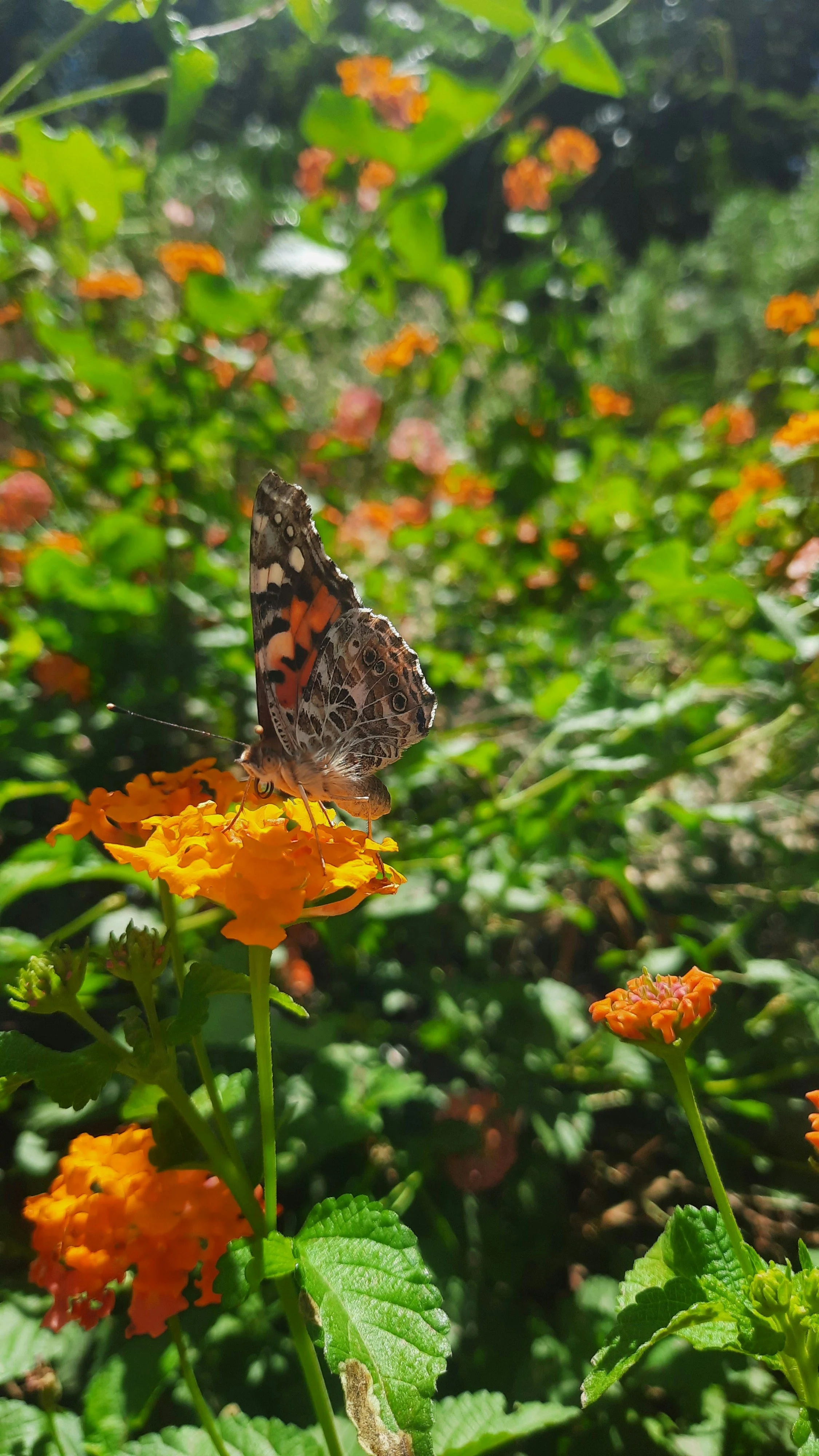
photo by Happy Duckling
In Tucson, landscaping is more than curb appeal. The right desert-adapted design can reduce water use, lower maintenance, and keep your home cooler all year. Here’s how homeowners across Southern Arizona are blending beauty and efficiency with low-water landscapes.
What does desert landscaping mean
Desert or xeriscape design uses native and drought-tolerant plants, gravel or decomposed granite groundcover, and drip irrigation to conserve water. The result is a landscape that fits Tucson’s climate and still looks inviting.
Benefits of low-water landscaping
Lower water bills – Drip irrigation and drought-tolerant plants use a fraction of the water of grass.
Less maintenance – Minimal mowing or trimming once plants are established.
Climate comfort – Well-placed trees and shrubs add shade that helps cool outdoor spaces.
Wildlife support – Native plants attract birds, pollinators, and beneficial insects.
Long-term durability – Fewer disease and pest issues in properly designed desert yards.
Common elements in Tucson landscapes
Groundcover: Gravel, decomposed granite, or stabilized earth prevents erosion and reduces heat reflection.
Plants: Mesquite, palo verde, desert willow, red yucca, brittlebush, and prickly pear are reliable native choices.
Irrigation: Drip systems deliver water directly to roots for efficient use.
Hardscape: Paths, pavers, and boulders add structure and limit soil disturbance.
Lighting: Low-voltage or solar lighting highlights design without adding energy cost.
Tips for new homeowners
Check HOA rules before making major changes to the landscape layout.
Group plants by water needs to simplify irrigation zones.
Use mulch around plants to retain moisture and moderate soil temperature.
Adjust irrigation seasonally as temperatures change.
Hire certified local landscapers who specialize in desert design for the best results.
Avoid low-lying brush and landscaping debris like old leaves near your home as best as possible, as it becomes a likely hideout for small critters and insects you don’t want near your home.
Common questions
Can I still have grass?
Yes, in moderation, it’s possible, but this is the desert, and trying to make it look like a grassy environment not only could be wasteful but also flies in the face of nature. Many Tucson homeowners choose small turf areas of drought-tolerant grass varieties and irrigate separately, or modern artificial turf options. Once you’ve been in the area for a little while, you start to appreciate the beauty and resilience of the native plants.
Are cacti hard to maintain?
No. Once established, most native cacti need minimal care other than occasional pruning and checking for rot in heavy rain. Check out some cacti experts for advice like the super knowledgeable staff at Bach’s Cactus Nursery in Tucson.
Do I need city permits?
Not for most residential landscaping, but retaining walls, irrigation tie-ins, or drainage changes may require review. Always check before starting. If you reside in a neighborhood with an HOA, you’ll want to check their documents for rules and regulations on landscaping. Always CALL BEFORE YOU DIG! It’s free to have them come out and mark your utilities so you don’t hurt yourself or cause expensive damage by mistake
Want to learn more about low-water living and energy-efficient Tucson homes?
Work with Kristen Glasheen, REALTOR®, your trusted partner for Tucson Real Estate across Oro Valley, Marana, Vail, Sahuarita, Red Rock, and beyond.
Contact Kristen:
☎️ Call: 520.345.9360
📱 Text: 520.345.9360
📧 Email: kristen@glasheenrealestate.com
Disclaimer: This information is general and for educational purposes. Verify HOA guidelines and consult local landscape professionals before installing or modifying irrigation or drainage systems.