
Living with Desert Wildlife: What Tucson Homeowners Should Know | Tucson Real Estate
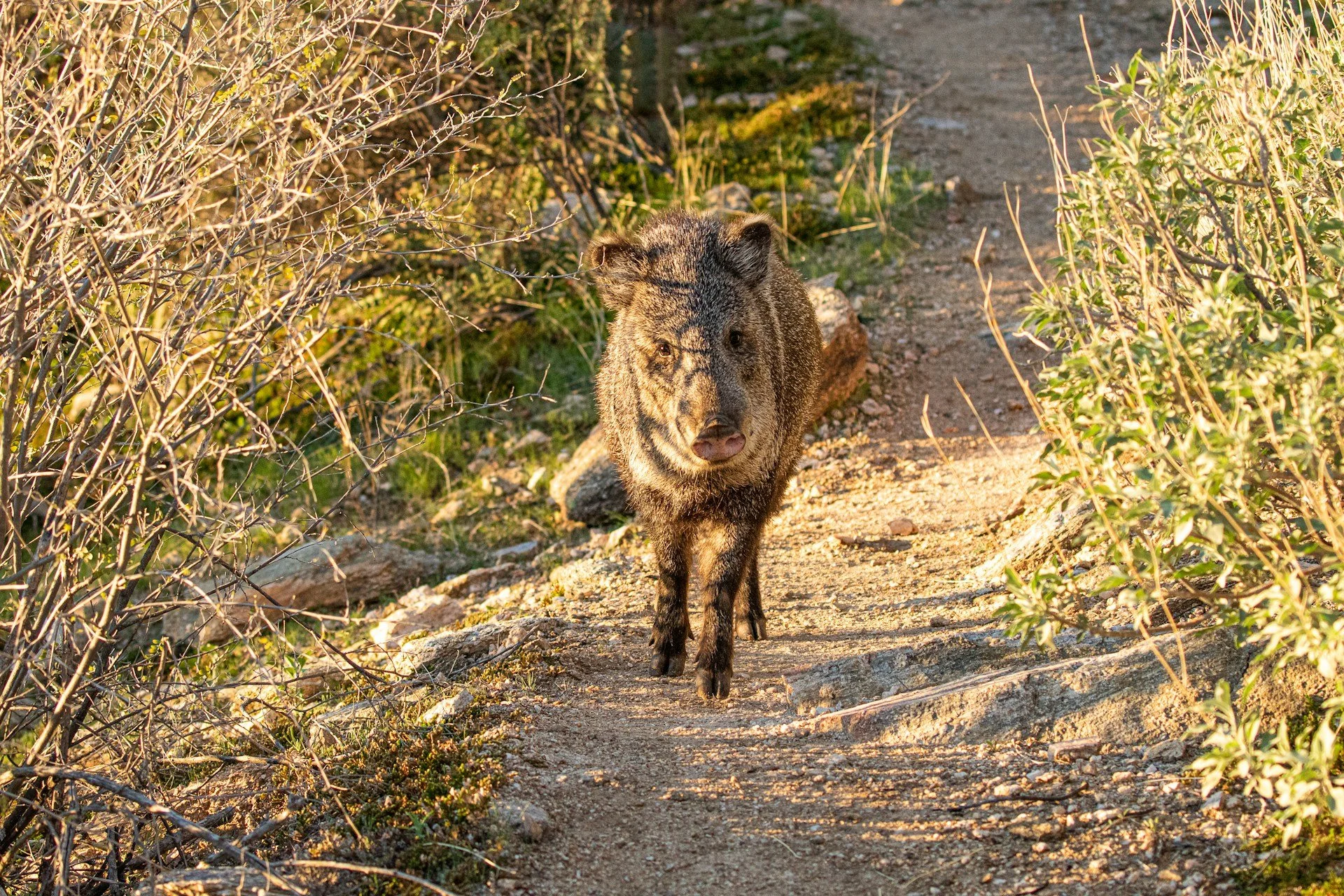
Photo by Dulcey Lima
What wildlife do Tucson homeowners encounter? Tucson's location in the Sonoran Desert means sharing the landscape with javelina, coyotes, rattlesnakes, scorpions, bobcats, and a wide variety of birds and reptiles. Most encounters are uneventful when homeowners understand basic habits and take a few practical precautions. Knowing what to expect makes the transition to desert living much smoother for people relocating from other parts of the country.
Desert Wildlife Is Part of the Deal
One of the things that makes Tucson genuinely different from most American cities is how present the natural environment is in daily life. The wildlife here isn't something you see only on hikes or nature tours. It shows up in yards, along neighborhood washes, and occasionally inside homes.
For people relocating to Tucson, this can take some getting used to. For most longtime residents, it becomes one of the things they actually appreciate about living here. The key is understanding what you're dealing with and developing a few habits early.
Javelina
Javelina are one of the most visible and frequently encountered large animals in Tucson neighborhoods, particularly in areas near washes, open desert, or the foothills.
They are not wild pigs, though they're often mistaken for them. They travel in herds and are most active at dawn, dusk, and nighttime. Prickly pear cactus and agave are preferred food sources, which is worth knowing if you have those plants in your yard.
The most important rule with javelina is not to feed them. The Arizona Game and Fish Department is clear that most problematic encounters between javelina and people result from animals losing their fear of humans after being fed. Once that happens, it creates problems for the entire neighborhood and can ultimately result in animals needing to be euthanized.
Javelina and dogs are a particular combination to manage carefully. Because javelina perceive dogs similarly to coyotes, a natural predator, encounters between the two can escalate quickly. Keeping dogs leashed and under control around javelina is important. Their tusks can cause serious injuries.
Practical habits that help: secure garbage cans, bring pet food inside, and pick up fallen fruit from trees. If javelina wander into your yard, making noise and appearing large will usually send them moving along.
Coyotes
Coyotes are present throughout Tucson, including in established neighborhoods well within the city. They are adaptable and have learned to live around people effectively.
For most residents, coyotes are a presence you hear more than see, particularly at night. They are generally not aggressive toward people but are opportunistic feeders. Small pets are a genuine risk, particularly cats and dogs under about 25 pounds that are left outside unsupervised. Keeping small pets indoors at night and supervising them outside during dawn and dusk hours is the standard practice.
If you encounter a coyote while walking a dog, keeping your dog close and making yourself appear large and assertive is typically enough to send it off. Not running is important, as flight triggers pursuit instinct.
Rattlesnakes
Rattlesnakes are present in Tucson and are most active from roughly March through October, with peak activity in the warmer months, particularly after monsoon rains begin. They are more active during morning and evening hours in summer when midday heat becomes extreme.
The most important thing to know is that rattlesnakes in Southern Arizona are defensive rather than aggressive. They want to avoid people and will typically warn when they feel threatened. Giving them space and allowing them to move on is almost always the right response.
Practical habits: watch where you step on trails and in rocky areas, don't put hands into spaces you can't see, shake out shoes left outside, and supervise dogs carefully in areas with brush or rocky terrain. Snake avoidance training for dogs is available through several Tucson providers and is a worthwhile investment for dog owners who spend time outdoors.
If a rattlesnake ends up inside your home or in a situation where removal is needed, the Tucson Fire Department can assist, and there are also local wildlife services that specialize in relocation.
Scorpions
Scorpions are the wildlife encounter that surprises new Tucson residents most. They are present in most parts of the city, they are nocturnal, and they are small enough that people often don't see them until an unpleasant moment.
The species that warrants the most attention is the Arizona bark scorpion. It is pale yellow-brown, usually one to three inches long, and is notable because it climbs, meaning it can be found on walls, ceilings, and inside closets and shoes, not just on the ground. It can fit through any gap roughly the width of a credit card.
Bark scorpion stings are painful and can cause more serious symptoms in young children and elderly adults. If stung, seeking medical evaluation is the appropriate response rather than waiting to see how symptoms develop.
Practical habits: avoid walking barefoot at night, shake out shoes and clothing left on the floor, seal gaps around doors and windows, reduce clutter and debris in the yard that provides hiding spots, and trim shrubs away from the exterior of the house. Many Tucson homeowners use regular pest control service specifically for scorpion management, particularly in the foothills, Marana, and Oro Valley areas where bark scorpions are especially common.
Bobcats and Other Wildlife
Bobcats are present in Tucson, particularly in foothills neighborhoods and areas near open desert. They are generally elusive and rarely pose a threat to people. Small pets are at some risk, which reinforces the same advice that applies to coyotes: supervise small animals and don't leave them outside unattended.
Gila monsters are protected under Arizona law. If you encounter one, observe from a distance and leave it alone. They move slowly and are not aggressive, but their bite is serious and they should never be handled.
The broader wildlife picture in Tucson also includes roadrunners, quail, hummingbirds, owls, hawks, Gambel's quail, cactus wrens, and an impressive variety of lizards and toads that come out during monsoon season. For many residents, the birdwatching alone becomes a genuine hobby.
General Habits That Make Desert Living Easier
A few practices that experienced Tucson homeowners adopt fairly quickly:
Secure garbage cans with lids that latch. Don't leave pet food outside overnight. Bring bird feeders in at night if javelina or coyotes are active in the area. Keep woodpiles and debris away from the house exterior. Be aware when walking near washes, dense vegetation, or rocky areas, especially in warmer months. And when in doubt about any wildlife situation, Arizona Game and Fish has a Tucson office and is a reliable resource.
Frequently Asked Questions
Is desert wildlife in Tucson actually dangerous?
For most residents, wildlife encounters are a normal and manageable part of desert living rather than a safety crisis. The animals most commonly encountered, javelina, coyotes, and scorpions, all have predictable behaviors and respond to consistent, practical habits. The residents who have the most trouble are generally those who feed wildlife or don't take basic precautions. People who understand what they're living alongside typically find the wildlife to be one of Tucson's most interesting qualities.
What should I do if I find a rattlesnake in my yard?
Give it space and don't try to handle or kill it. Most of the time the snake will move on when left alone. If it's in a location that requires removal, the Tucson Fire Department can help, and local wildlife relocation services are also available. Killing a rattlesnake is not only unnecessary but often puts people at greater risk, since the majority of bites happen when someone tries to intervene.
Are scorpions something I should worry about year-round in Tucson?
Scorpion activity peaks during the warmer months, particularly during and after monsoon season, but they can be present year-round. Most experienced Tucson homeowners treat scorpion awareness as an ongoing habit rather than a seasonal concern. Basic prevention, sealing entry points, reducing outdoor clutter, and regular pest control, makes a significant difference in how often they appear inside the home.
The Bottom Line
Desert wildlife is one of the most distinctive aspects of life in Tucson and one that new residents adjust to more quickly than they expect. Understanding the animals you're likely to encounter, what drives their behavior, and what habits make coexistence easier takes most of the anxiety out of it.
If you're considering a move to Southern Arizona and want to understand what life here actually looks like day to day, this is a conversation worth having before you buy.
Presented by Kristen Glasheen, REALTOR®, Glasheen Real Estate, Long Realty Company.
Contact Kristen:
☎️ Call: 520.345.9360
📱 Text: 520.345.9360
📧 Email: Kristen@GlasheenRealEstate.com
🏠 Search Homes
Disclaimer: This content is for informational purposes only. For specific wildlife concerns, contact the Arizona Game and Fish Department, Tucson Wildlife Center, or a licensed pest control professional.